
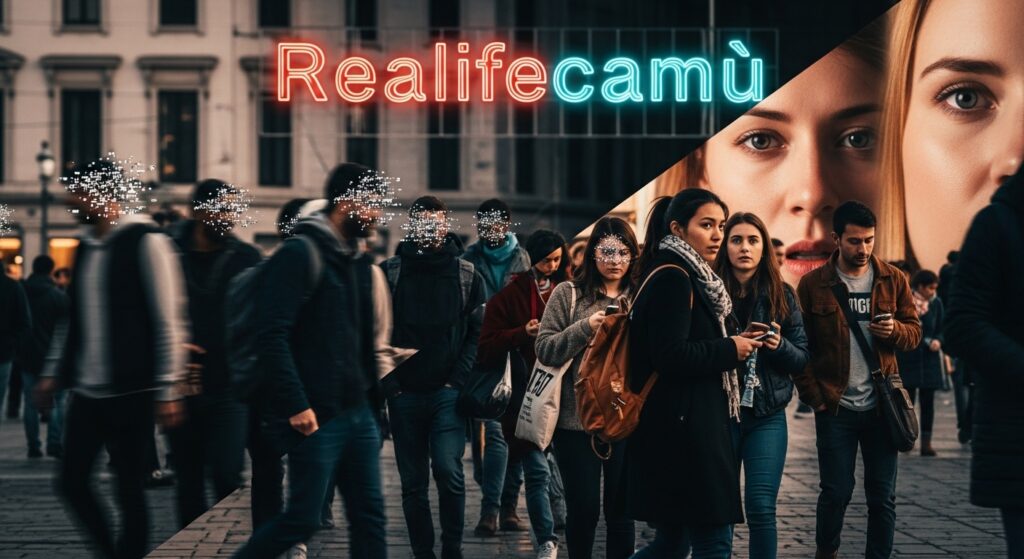
In an age where technology and social media dominate our lives, the lines between public and private are increasingly blurred. Enter Realifecamù a platform that has sparked both fascination and outrage. Imagine a world where your daily activities could be streamed live to others without your consent. It raises questions about privacy, ethics, and our right to control how we present ourselves in the digital realm. As we navigate this new landscape of constant visibility, understanding what Realifecamù really means for society is crucial. Let’s dive into this complex intersection of privacy and public life, exploring its implications on our daily existence.
What is Realifecamù?
Realifecamù is a unique online platform that offers real-time streaming from various public locations. Users can watch live feeds from cafes, parks, and busy streets around the globe. This concept allows individuals to experience life in different parts of the world without leaving their homes.
The service appeals to those curious about urban culture or simply looking for a change of scenery. With just a few clicks, viewers find themselves immersed in vibrant environments filled with activity.
However, Realifecamù raises questions about user engagement and voyeurism. It blurs the line between entertainment and intrusion into everyday lives. Although it provides an interesting window into diverse settings, one must consider how this constant surveillance impacts both individuals on camera and those watching from afar.
As technology evolves, platforms like Realifecamù redefine our relationship with privacy and shared experiences in public life.
The Controversy Surrounding Realifecam
Realifecam has sparked intense debates across various platforms. The concept of live-streaming everyday life raises significant eyebrows about consent and privacy.
Critics argue that the app blurs boundaries between public and private spaces. People may unknowingly become part of someone else’s broadcast, creating a chilling effect on personal freedom.
Supporters counter that Realifecam offers an opportunity for connection and shared experiences. Yet, this viewpoint overlooks the potential risks involved in constant surveillance.
Incidents of misuse have also surfaced, where individuals exploited the platform to harass or stalk others. These alarming events highlight serious safety concerns that cannot be ignored.
The emotional toll is palpable as users weigh their desire for engagement against possible exposure. Conversations about this technology are complex, revealing deep societal divisions regarding privacy rights versus communal interaction.
Legal and Ethical Issues of Realifecam
Realifecam raises significant legal and ethical questions. As individuals share personal moments online, the line between public and private life blurs. This creates a complex web of consent issues.
The platform often operates under vague user agreements. Many users may not fully understand what they are signing up for. The implications of their shared content can be far-reaching.
Moreover, copyright infringement becomes a concern when footage is used without permission. Users might unknowingly expose themselves to legal liabilities through the actions of others on the platform.
Ethically, it challenges societal norms surrounding privacy rights. The normalization of surveillance has potential ramifications that extend beyond individual experiences, affecting communities at large.
As technology advances, these issues demand careful consideration from lawmakers and society alike to ensure that user protection remains paramount in this new digital landscape.
Impact on Privacy Rights
The rise of Realifecamù has sparked significant concerns regarding privacy rights. People now find their daily lives monitored, often without consent. This shift challenges the very foundation of personal autonomy.
Individuals might feel their actions are under constant surveillance. The blurring lines between public and private spaces create a sense of unease. Many worry about who controls this footage and how it’s used.
Moreover, there’s an ongoing debate about data ownership. If someone films you in a public space, do they have the right to share that content? These questions remain largely unanswered.
Legal frameworks struggle to keep pace with technology’s rapid evolution. Existing laws may not adequately protect citizens from intrusive captures or misuse of imagery.
As society grapples with these issues, the fight for stronger privacy protections intensifies. Balancing innovation with individual rights becomes ever more crucial as we navigate this digital age.
Public Reactions and Concerns
Public reactions to Realifecamù have been mixed, sparking intense debates across social media platforms. Many users express fascination with the technology, captivated by its ability to showcase real-life moments in real-time.
However, a significant portion of the public raises urgent concerns about privacy violations. People worry that constant surveillance could lead to unwanted exposure and potential misuse of personal data. This unease has sparked widespread discussions on digital ethics and consent.
Community forums are rife with stories from individuals feeling uncomfortable knowing their actions may be broadcasted without prior knowledge. These narratives underline a growing sentiment that our lives should retain an element of privacy, even in an increasingly connected world.
As awareness spreads, many are calling for stricter regulations surrounding such technologies. The need for clear guidelines is becoming more apparent as society grapples with finding common ground between innovation and individual rights.
Alternatives to Realifecam
Several alternatives to Realifecam offer different approaches to privacy and public life. One option is the use of personal security cameras that provide a controlled environment for monitoring. Users can choose when and where to record, granting them full autonomy over their footage.
Another alternative lies in social media platforms with stricter privacy settings. Apps like Instagram or Snapchat allow users to share moments without broadcasting their lives 24/7. This method balances sharing experiences while maintaining some level of secrecy.
For those interested in live streaming, platforms such as Twitch focus on specific content rather than continuous surveillance. Streamers curate what they want audiences to see, creating a more interactive experience.
Public forums also promote discussions around privacy concerns, enabling communities to engage in meaningful conversations about boundaries and rights related to visibility online. Each option presents unique features catering to varying preferences regarding transparency and anonymity.
Finding a Balance Between Privacy and Public Life
Finding a balance between privacy and public life is increasingly challenging in our digital age. As technology evolves, so does the way we interact with one another and share our lives.
People often crave connection, yet they also value personal space. Striking this balance requires intentionality. Individuals must consider what aspects of their lives are worth sharing publicly and which should remain private.
Social media platforms frequently blur these lines, making it easy to overshare. The allure of likes and comments can overshadow concerns about privacy.
Moreover, community engagement plays a vital role. Open conversations about boundaries help foster understanding among different viewpoints on privacy rights.
As society adapts to rapid technological changes, finding harmony between being open and safeguarding individual liberties becomes essential for maintaining healthy relationships in public spaces. Balancing transparency with respect allows everyone to navigate this complex landscape more thoughtfully.
Conclusion
Realifecamù has sparked a significant dialogue about the balance between privacy and public life. Its rise illuminates how technology can blur the lines of personal boundaries while also offering unique viewing experiences. The controversy surrounding Realifecamù raises essential questions about our rights to privacy in an increasingly connected world.
As we navigate this new landscape, it’s crucial to weigh both sides of the debate. While many see its potential for entertainment and social connection, others voice legitimate concerns regarding surveillance and consent. Understanding these dynamics will help shape future discussions on privacy rights as technology continues to evolve.
Finding alternatives that respect individual privacy while fostering community engagement remains a challenge. As society adapts to innovations like Realifecamù, ongoing conversations are vital for ensuring that everyone feels secure in their private spaces.