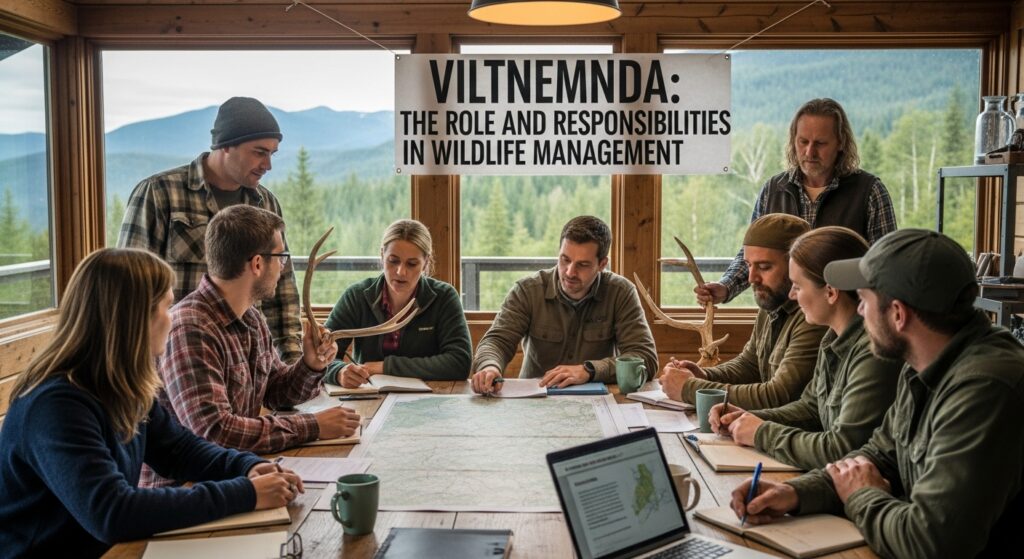
When it comes to preserving our natural heritage, few entities play as crucial a role as viltnemnda. This dedicated body works tirelessly behind the scenes, ensuring that wildlife management is not just effective but also sustainable. From overseeing hunting regulations to promoting biodiversity, viltnemnda touches every aspect of how we coexist with nature. But what exactly does this term encompass? And why should everyone care about its work? Let’s dive in and uncover the importance of viltnemnda in safeguarding our environment for generations to come.
What is Viltnemnda?
Viltnemnda, a crucial entity in Norway’s wildlife management, serves as an advisory board focused on sustainable practices. This organization operates at the local level, addressing specific ecological needs.
Members of Viltnemnda include hunters, landowners, and conservationists. Their diverse backgrounds ensure that various perspectives are considered when making decisions about wildlife populations.
The primary goal is to balance human interests with environmental sustainability. By managing hunting quotas and protecting endangered species, Viltnemnda plays an essential role in preserving biodiversity.
Meetings are held regularly to discuss ongoing issues related to wildlife. These discussions often lead to innovative solutions for challenges faced by both animals and humans living side by side in these ecosystems.
Through collaboration and informed decision-making, Viltnemnda helps shape policies that impact the future of Norway’s natural heritage.
The History and Purpose of Viltnemnda
Viltnemnda has deep roots in the management of wildlife resources. Established to address growing concerns over animal populations and their habitats, its inception marked a significant step towards sustainable practices.
Initially, Viltnemnda focused on regulating hunting activities. Over the years, this scope expanded to encompass broader conservation efforts. The idea was to create balance between human interests and wildlife needs.
The purpose of Viltnemnda is not just about control; it’s also about education. By promoting awareness around biodiversity and ecosystem health, it aims to foster a sense of responsibility among local communities.
Furthermore, Viltnemnda plays a crucial role in informing policy decisions related to wildlife management. Its insights help shape laws that protect various species while ensuring ethical guidelines are followed for hunting and land use.
The Role of Viltnemnda in Wildlife Management
Viltnemnda plays a crucial role in the management of wildlife populations. This body works to ensure that ecosystems remain balanced while addressing human-wildlife conflicts.
One significant aspect of Viltnemnda’s work is monitoring animal populations. By collecting data on species numbers and health, they can implement effective strategies for conservation.
Additionally, Viltnemnda collaborates with local communities and stakeholders. Education initiatives help raise awareness about sustainable practices and responsible hunting, fostering a culture of respect for nature.
Their involvement in policy-making further strengthens wildlife protection efforts. Recommendations from Viltnemnda influence regulations that safeguard habitats and manage hunting seasons.
Through research and active engagement, Viltnemnda ensures that both wildlife and people coexist harmoniously. Their multifaceted approach allows them to adapt to changing environments and emerging challenges effectively.
Responsibilities of Viltnemnda
Viltnemnda holds a crucial role in overseeing wildlife management, ensuring that ecosystems remain balanced and sustainable. One of its primary responsibilities is to establish hunting quotas. This involves assessing animal populations and determining how many can be harvested without compromising their survival.
Additionally, Viltnemnda develops policies aimed at protecting endangered species. These guidelines help maintain biodiversity while promoting awareness about conservation efforts within local communities.
Monitoring wildlife health is another essential duty. Regular assessments allow for early detection of diseases or population declines, enabling timely interventions when necessary.
Collaboration with other agencies forms a key part of their work as well. By partnering with environmental organizations, local governments, and the public, Viltnemnda fosters a shared commitment to responsible wildlife stewardship.
Education also plays a significant role in their activities. They organize workshops and outreach programs designed to inform the community about best practices in coexistence with nature.
Examples of Successful Wildlife Management by Viltnemnda
Viltnemnda has made strides in various wildlife management initiatives across Norway. One notable success story involves the reintroduction of the Eurasian lynx. After facing significant population decline, concerted efforts led to a thriving habitat for this elusive predator.
Through careful monitoring and community involvement, Viltnemnda managed to balance local interests with conservation goals, showcasing an effective model of collaboration.
Another example is their work on moose populations. By implementing controlled hunting seasons based on scientific research, they’ve stabilized moose numbers while ensuring sustainable ecosystems.
These cases highlight how strategic planning and public engagement can lead to successful wildlife outcomes. Each initiative reflects a commitment to preserving biodiversity while respecting human activities in these natural spaces.
Challenges Faced by Viltnemnda
Viltnemnda faces a myriad of challenges in its quest for effective wildlife management. One significant hurdle is balancing the interests of various stakeholders. Hunters, conservationists, and local communities often have conflicting views on how to manage wildlife resources.
Additionally, climate change poses a growing threat to ecosystems. As habitats shift or diminish due to changing weather patterns, Viltnemnda must adapt its strategies accordingly. This requires ongoing research and flexible policies.
Another challenge lies in illegal hunting and poaching activities. These not only threaten endangered species but also undermine legitimate conservation efforts.
Resource limitations further complicate matters; many viltnemndas operate with restricted budgets that hinder comprehensive programs. Engaging the public effectively remains essential yet challenging as well—raising awareness about sustainable practices can be difficult amidst widespread misinformation.
Navigating these complexities demands innovative solutions while maintaining transparent communication among all parties involved in wildlife stewardship.
Future Outlook for Viltnemnda and Wildlife Management
The future of viltnemnda and wildlife management is dynamic. As environmental challenges intensify, these committees will need to adapt swiftly. Climate change poses significant threats to habitats and species diversity.
Technological advancements offer new tools for monitoring wildlife populations. Drones, camera traps, and data analytics can enhance decision-making processes. Embracing such innovations could improve effectiveness in managing ecosystems.
Collaboration with local communities will also be crucial. Engaging residents fosters stewardship and awareness about the importance of biodiversity conservation. Education initiatives can empower individuals to take action.
Legislation may evolve too, reflecting a growing emphasis on sustainability and ethical practices in hunting and resource use. Viltnemnda must stay informed and proactive in implementing policies that protect wildlife while balancing human interests.
As public interest grows around nature conservation, viltnemnda has an opportunity to lead impactful changes in how society interacts with the environment. The path ahead holds promise for both wildlife and people alike.
Conclusion
Viltnemnda plays a pivotal role in the realm of wildlife management. Its history reflects a commitment to balancing ecological integrity with community needs, showcasing how governance can adapt over time. The responsibilities assigned to Viltnemnda are both diverse and essential, ranging from population monitoring to conflict resolution between humans and wildlife.
Successful initiatives demonstrate that effective strategies can lead to thriving ecosystems while minimizing human-wildlife conflicts. Yet, challenges persist climate change, habitat loss, and increasing urbanization test the resilience of these committees.
Looking ahead, Viltnemnda faces an evolving landscape where collaboration among stakeholders will be key. As society grows increasingly aware of environmental issues, there is potential for stronger support systems that enhance their mission. A proactive approach will ensure that future generations inherit a balanced relationship with nature a legacy worth striving for as we navigate the complexities of wildlife management together.