
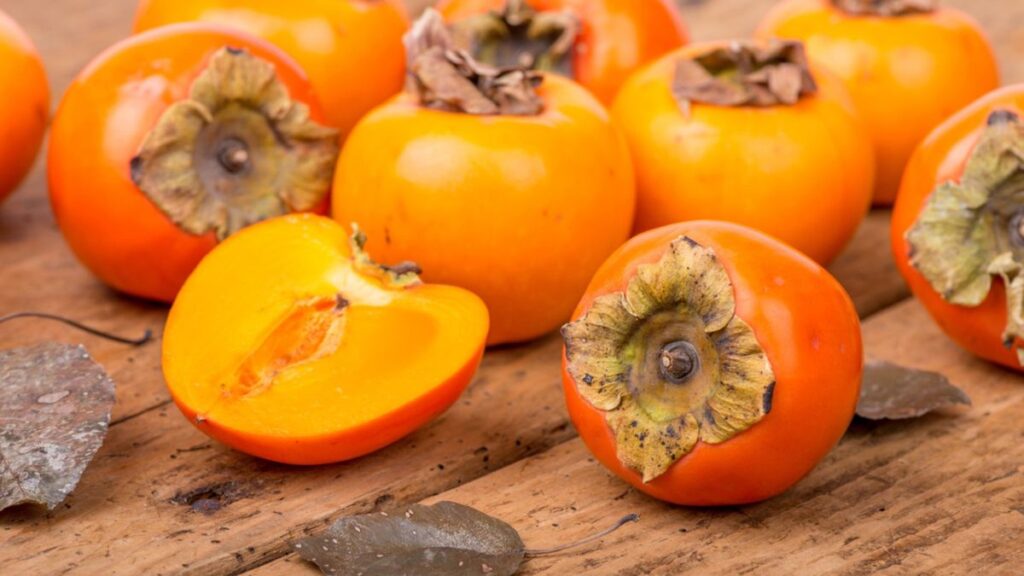
Introduction to Caquis Fruit
Have you ever bitten into a fruit that feels like sunshine on your palate? Enter the caquis fruit, also known as persimmon. This delightful delicacy is not just pleasing to the eye; it’s bursting with flavor and nutrition. Originating from East Asia, this vibrant orange gem has captured hearts around the globe. Whether you’re a seasoned foodie or simply curious about new flavors, caquis fruit deserves a spot in your kitchen. Let’s dive into everything you need to know about this intriguing fruit!
History and Origin of Caquis Fruit
Caquis fruit, commonly known as persimmon, has roots that trace back thousands of years. Native to East Asia, particularly China and Japan, this delightful fruit has been enjoyed for centuries.
The earliest historical records date back over 2,000 years in Chinese literature. Persimmons were revered not only for their taste but also for their medicinal properties. They symbolized good fortune and prosperity.
From Asia, the caquis eventually made their way to other parts of the world. The fruit found a home in Mediterranean regions during the 19th century thanks to explorers and traders who recognized its potential.
Today, caquis is cultivated globally—from California’s sunny orchards to South American farms—showcasing its versatility and adaptability across diverse climates. Its rich history reflects a journey through cultures that appreciate both its flavor and health benefits.
Nutritional Benefits of Caquis Fruit
Caquis fruit, also known as persimmon, is a nutritional powerhouse. This vibrant fruit is rich in vitamins A and C, which are essential for maintaining healthy skin and boosting the immune system.
Loaded with antioxidants, caquis helps combat oxidative stress. These compounds protect your cells from damage caused by free radicals.
The fiber content in caquis promotes digestive health. It aids in smooth digestion and can help prevent constipation.
Additionally, this fruit has low calories but high water content. It’s perfect for hydration while satisfying your sweet tooth without guilt.
Moreover, caquis contains minerals like potassium and manganese that support heart health and bone strength. Eating it regularly could contribute to overall well-being.
Including caquis in your diet not only adds variety but also enhances nutrient intake significantly.
How to Eat and Cook with Caquis Fruit
Caquis fruit, also known as persimmon, offers a delightful sweetness that can elevate various dishes. When ripe, the flesh is soft and custard-like, perfect for eating raw.
Slice it up and toss it into salads for an instant flavor boost. The sweet notes pair beautifully with tangy dressings or sharp cheeses.
For cooking enthusiasts, try baking caquis in tarts or pies. Their natural sugars caramelize when cooked, creating a rich taste experience.
You can also blend them into smoothies for added creaminess. This adds both nutrition and vibrant color to your morning routine.
Don’t forget about incorporating caquis into savory dishes too! They complement roasted meats well and work wonderfully in salsas alongside spicy ingredients.
Experimenting with this versatile fruit opens doors to unique culinary creations that are sure to impress any palate!
Creative Recipes Using Caquis Fruit
Caquis fruit, also known as persimmon, can elevate your culinary creations. Its sweet flavor and unique texture make it a delightful addition to various dishes.
Try adding sliced caquis to salads for a burst of color and sweetness. Pairing it with arugula, walnuts, and feta cheese creates an impressive contrast in flavors.
For dessert lovers, consider making caquis fruit sorbet. Blend ripe caquis with a splash of lemon juice and freeze the mixture for a refreshing treat that’s naturally sweet.
You can also incorporate this versatile fruit into savory meals. Roasted caquis served alongside pork or chicken adds depth to any dish.
Another creative idea is to use pureed caquis in smoothies or yogurt bowls. The creamy blend enhances nutrition while providing a vibrant hue.
Experimenting with different textures—dried, fresh, or roasted—opens up even more possibilities in the kitchen!
Where to Find and Buy Caquis Fruit
Caquis fruit, or persimmon, is a delightful treat that can be found in various places. Your local farmers’ market is often the best spot to discover fresh caquis during its peak season. Vendors take pride in offering ripe and flavorful options.
Grocery stores might also carry this exotic fruit, especially those with an extensive produce section. Look for it near apples and pears; check labels carefully to ensure freshness.
If you’re feeling adventurous, consider visiting specialty Asian markets. They frequently stock different varieties of caquis from around the world.
Online shopping has made obtaining caquis easier than ever. Many retailers deliver directly to your doorstep, providing convenience without sacrificing quality.
Seasonal availability varies by region, so keep an eye out during autumn months when these fruits are most plentiful. Enjoy exploring your options!
Fun Facts About Caquis Fruit
Caquis fruit, also known as persimmon, boasts some intriguing characteristics. For starters, there are two main types: astringent and non-astringent. The former needs to be fully ripe before you can enjoy its sweet goodness.
Did you know that this vibrant fruit is native to East Asia? It has been cultivated for over 2,000 years! Today, caquis fruit enjoys global popularity and can be found in various cuisines worldwide.
Another fun tidbit: the name “persimmon” comes from the Powhatan language of Native Americans. Interestingly, it translates to “the dry fruit.”
Beyond its delicious taste, caquis also holds cultural significance in several countries. In Japan, it symbolizes good luck and prosperity during harvest festivals.
If you’re looking for a unique twist on your favorite dishes or simply wanting something new to try, caquis might just be your next culinary adventure!
Potential Side Effects of Consuming Caquis Fruit
While caquis fruit is often celebrated for its delicious taste and health benefits, it’s important to be aware of potential side effects. Some individuals may experience digestive issues if they consume it in excess. The high fiber content can lead to bloating or discomfort.
Additionally, unripe caquis fruit contains high levels of tannins. These compounds can cause astringency and might upset sensitive stomachs. Always ensure the fruit is ripe before enjoying it.
For those with allergies, caution is advised. Although rare, some people could have an allergic reaction to this delightful delicacy.
Moderation is key when adding any new food to your diet. Being mindful of how your body reacts will help you enjoy caquis without any unwanted effects.
Conclusion
Caquis fruit, with its unique flavor and vibrant color, has much to offer. Whether you’re seeking nutritional benefits or creative culinary ideas, this delightful delicacy is worth exploring. From its rich history to innovative recipes, caquis fruit invites you to experiment in the kitchen and enjoy its sweetness.
As you embrace this exotic treat, consider adding it to your diet for a burst of flavor and health benefits. Discovering where to find caquis can lead you on an adventure through local markets or specialty stores. Don’t forget about the fascinating facts that make this fruit even more intriguing.
So why not give caquis fruit a try? Its versatility means there’s something for everyone—whether eaten fresh, cooked into dishes, or blended into smoothies. Dive into the world of caquis and savor all that it brings!