
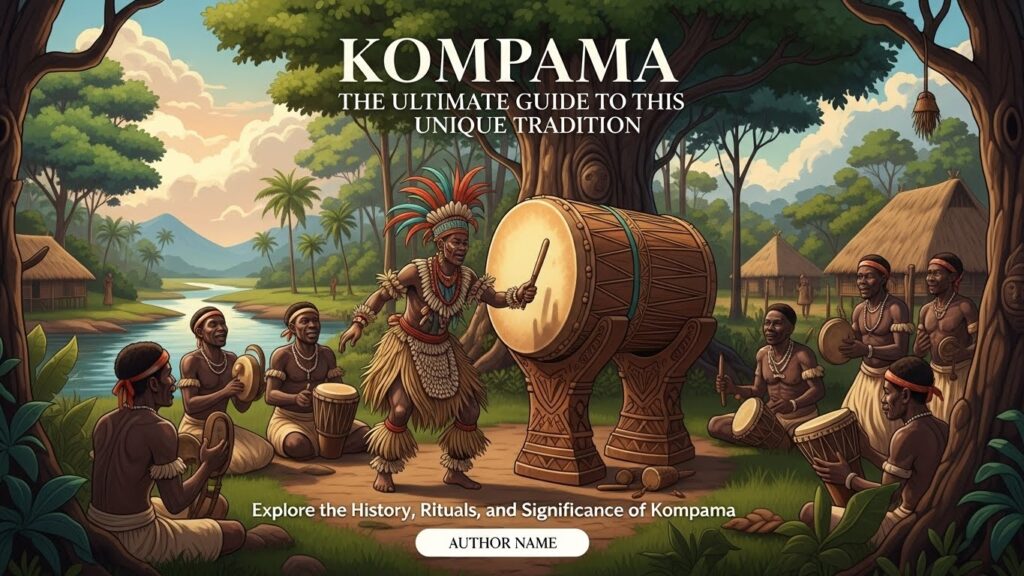
Kompama is more than just a tradition; it’s a vibrant tapestry woven through the lives of those who celebrate it. This unique custom shines a light on the rich cultural heritage and social bonds that unite communities. Many people might not have heard of Kompama, yet its essence resonates with values of togetherness, joy, and respect for history.
As you delve into this ultimate guide, prepare to uncover what makes Kompama so special. From its fascinating origins to how it’s celebrated today, each aspect reveals something profound about human connection and community spirit. So grab your favorite drink and get ready to explore all things Kompama!
What is Kompama?
Kompama is a vibrant cultural tradition that brings together communities through celebration and shared experiences. Rooted in deep historical significance, it encompasses various rituals, music, dance, and social gatherings.
At its core, Kompama represents unity and harmony among people. Participants engage with one another to honor their heritage while fostering connections across generations. This lively event often showcases local talents through performances and art exhibitions.
Traditionally linked to seasonal changes or agricultural milestones, Kompama serves as a reminder of the importance of community bonds. The festivities create an atmosphere filled with joy and excitement, inviting everyone to partake in the rich tapestry of culture.
As an evolving tradition, every iteration reflects the unique characteristics of the area where it’s celebrated. Thus, each Kompama tells its own story while maintaining ties to broader cultural narratives.
History and Origins of Kompama
Kompama traces its roots back centuries, deeply embedded in the cultural tapestry of various communities. Originating from ancient rituals, it celebrates the changing seasons and agricultural cycles.
Folklore suggests that Kompama began as a harvest festival. Early agrarians gathered to give thanks for bountiful crops and to seek blessings for future yields. As time passed, this simple gathering evolved into a vibrant celebration filled with music and dance.
Regions across the globe have their variations of Kompama. Each locale adds its unique flavors, reflecting local customs and traditions.
The essence remains unchanged: fostering community bonds while honoring nature’s gifts. Through generations, stories are passed down orally, ensuring that each new group understands the significance behind every ritual connected to Kompama.
The Significance of Kompama in Culture and Society
Kompama holds a special place in the cultural tapestry of many communities. It serves as a vibrant expression of identity and heritage, connecting individuals to their roots.
This tradition fosters unity among participants, creating bonds that transcend generations. People gather not just to celebrate but also to share stories and experiences that shape their communal narrative.
Through rituals associated with Kompama, values such as respect for elders and appreciation for nature are passed down. This transmission reinforces social norms and strengthens familial ties.
Moreover, Kompama acts as a platform for artistic expression. Music, dance, and crafts flourish during these celebrations, showcasing local talent while enriching the cultural landscape.
In essence, the significance of Kompama extends beyond mere festivity; it symbolizes resilience and continuity within society’s ever-evolving framework.
How Kompama is Celebrated
Kompama is a vibrant celebration marked by community gatherings and lively festivities. Streets come alive with music, laughter, and colorful decorations that reflect the spirit of togetherness.
People dress in traditional attire, showcasing their cultural heritage. Dance performances often take center stage, drawing crowds who join in to celebrate this unique tradition.
Ceremonies might include storytelling sessions where elders share tales from the past. These narratives help keep history alive while fostering a sense of identity among participants.
Games and competitions add an element of excitement. Families engage in friendly rivalries, strengthening bonds within the community.
The atmosphere buzzes with joy as friends and neighbors connect through shared experiences during Kompama. It’s more than just an event; it’s a reaffirmation of culture and belonging for everyone involved.
Traditional Foods and Drinks Associated with Kompama
Kompama celebrations are a feast for the senses, with traditional foods and drinks taking center stage. Each dish tells a story, rooted in cultural significance.
One of the highlights is **pounded yam**, often paired with rich, spicy soups. The texture and flavor create an unforgettable experience that invites attendees to savor every bite.
**Jollof rice** also makes an appearance at many Kompama gatherings. This vibrant one-pot dish bursts with flavors from tomatoes and spices, making it a true crowd-pleaser.
No celebration is complete without beverages like **local palm wine**. Its sweet and slightly fermented taste adds authenticity to the festivities while bringing people together in shared enjoyment.
These culinary delights are more than just food; they symbolize community ties and heritage during celebrations, turning each meal into a cherished memory.
Modern Adaptations and Changes to Kompama
Kompama has evolved significantly over recent years. Younger generations are introducing fresh ideas while honoring tradition. This blend creates a dynamic celebration that resonates with diverse audiences.
Social media plays a crucial role in modern adaptations. Festivities are shared online, attracting attention from people who may not have participated before. Visual storytelling enhances the experience and spreads awareness globally.
Technology is also influencing how events are organized and promoted. Online platforms facilitate planning and participation, making it easier for communities to gather together regardless of geographical barriers.
Additionally, new forms of expression emerge during Kompama celebrations. Music genres merge traditional sounds with contemporary beats, appealing to broader demographics while keeping cultural roots intact.
These changes reflect society’s evolving values but maintain the essence that makes special. The adaptability ensures this cherished tradition remains relevant for future generations.
Impact of Kompama on Communities and Individuals
Kompama brings people together, fostering a sense of belonging within communities. It creates bonds among individuals who partake in the festivities, reinforcing social ties.
For many families, participating in becomes a cherished tradition passed down through generations. This continuity strengthens cultural identity and pride.
Moreover, local economies often see a boost during this celebration. Vendors thrive as they offer traditional goods and services unique to Kompama.
The event also promotes creativity. Artists showcase their talents through music, dance, and crafts that reflect the essence of this vibrant tradition.
On an emotional level, Kompama can be transformative for individuals. The joy and connection felt during the celebrations lift spirits and create lasting memories that help shape personal identities.
Why Kompama Should Be Preserved and Celebrated
Kompama represents more than just a tradition; it’s a vibrant tapestry woven into the cultural fabric of communities. Each celebration is an opportunity to connect generations, bridging gaps between the old and young.
Preserving ensures that unique stories and values are passed down. These narratives shape identities and foster a sense of belonging among participants.
Celebrating also promotes inclusivity, inviting diverse audiences to partake in its rich heritage. This exchange cultivates understanding and appreciation for different cultures.
Moreover, engaging with such traditions can enhance community spirit. Festivals draw people together, fostering relationships that strengthen social bonds.
By valuing Kompama, we honor our history while embracing creativity in modern adaptations. It encourages innovation within tradition without losing touch with its roots.
The act of celebrating not only keeps memories alive but ignites pride in collective identity as well.
Conclusion
Kompama is more than just a tradition; it’s a vibrant expression of community and culture. This unique celebration has deep historical roots, reflecting the values and beliefs of those who participate in it. By embracing its significance, we can appreciate how fosters connections among individuals and strengthens communal bonds.
As modern adaptations evolve, the essence of remains vital. It invites newer generations to engage with their heritage while creating fresh memories that honor past customs. Its impact resonates not only within communities but also nurtures personal growth for individuals involved.
Preserving Kompama means cherishing an integral part of cultural identity. As this tradition thrives through celebrations, food, and shared experiences, it calls upon all of us to partake in keeping such legacies alive for future generations to enjoy. Embracing allows us to celebrate diversity while fostering unity—an important message in today’s world. The beauty lies in understanding its value and ensuring that it continues to flourish as part of our collective human experience.