
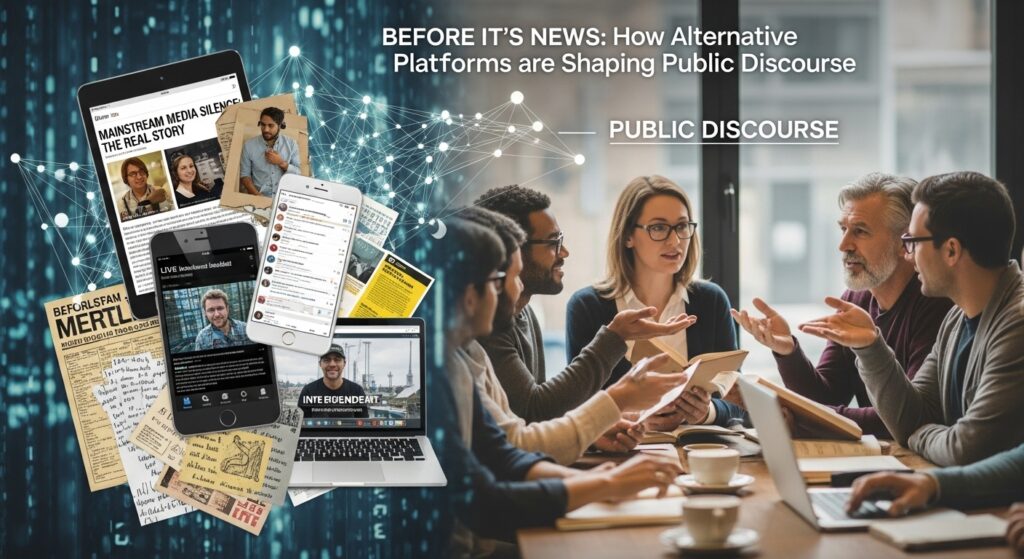
The digital age has transformed the way we consume news and engage in public discussions. As traditional media outlets face scrutiny for their narratives, alternative platforms have emerged to fill the void. These spaces allow voices that often go unheard in mainstream media to gain traction. One such platform making waves is Before It’s News, a site where user-generated content thrives and diverse opinions flourish.
As society grapples with issues like misinformation and censorship, alternative platforms are reshaping how we perceive truth and share information. Join us as we explore the fascinating world of these unconventional avenues for public discourse.
What is Before It’s News?
Before It’s News is an alternative news platform that allows users to share and disseminate information. It operates on a crowd-sourced model, giving individuals the power to contribute articles, opinions, and stories.
The site covers a wide range of topics including politics, health, technology, and conspiracy theories. This diversity attracts various viewpoints that mainstream media may overlook.
What sets Before It’s News apart is its emphasis on user-generated content. Readers aren’t just passive consumers; they become active participants in shaping narratives.
This approach can lead to unique insights but also raises concerns about reliability and credibility. Without traditional editorial oversight, it becomes vital for readers to critically evaluate the information being presented.
As misinformation spreads easily online, platforms like Before It’s News challenge conventional journalism while inviting discussion around freedom of expression in the digital age.
The Rise of Alternative Platforms
The digital landscape is shifting. Traditional media outlets are no longer the sole gatekeepers of information. Alternative platforms have gained traction, providing diverse voices and perspectives.
These platforms cater to niche audiences seeking content that mainstream media often overlooks. People want authenticity, and they turn to sources like blogs, podcasts, and social media channels for it.
Technology has made sharing opinions easier than ever. Anyone can publish their thoughts with just a few clicks. This democratization of content creation empowers individuals who feel sidelined by conventional journalism.
As trust in established news sources wavers, many seek refuge in these alternative spaces. They offer opportunities for dialogue and engagement that traditional media sometimes lacks.
With this rise comes innovation in how we consume news. Users now curate their feeds based on interests rather than relying solely on editors’ choices from major publications.
Benefits and Drawbacks of Alternative Platforms
Alternative platforms offer a refreshing break from traditional media. They empower users to share diverse perspectives that often go unheard. This democratization of information can foster creativity and innovation.
However, the lack of regulation on these platforms raises concerns about misinformation. Without proper fact-checking, sensationalism can thrive, leading to confusion among audiences.
Another benefit is the community aspect. Many alternative sites allow for niche discussions where like-minded individuals connect. This sense of belonging can be incredibly rewarding.
Yet, echo chambers pose a significant drawback. Users may find themselves surrounded by only similar opinions, hindering critical thinking and broader understanding.
While alternative platforms enhance accessibility and engagement in public discourse, they also challenge users to navigate between truth and falsehood carefully. Balancing these factors is crucial for informed participation in today’s digital landscape.
Impact on Public Discourse
Alternative platforms have transformed public discourse in profound ways. They allow diverse voices to emerge, challenging mainstream narratives and providing a space for underrepresented opinions.
This shift has democratized information access. Audiences can engage with content that resonates more personally than traditional media often allows. Stories from various perspectives flourish, offering richer discussions and insights.
However, this freedom also breeds polarization. Misinformation spreads rapidly on these platforms, complicating the conversation further. Users may find themselves in echo chambers where only similar viewpoints are amplified.
As debates evolve online, users must navigate a complex landscape of facts and opinions. The challenge lies in discerning reliable sources amidst the noise of sensationalism.
The dynamic nature of alternative platforms demands critical thinking from their audiences now more than ever. Engaging thoughtfully contributes to healthier dialogue while fostering a deeper understanding of multifaceted issues.
Examples of Successful Alternative Platforms
Reddit stands out as a prime example of an alternative platform that empowers users to share diverse viewpoints. Its community-driven forums, or subreddits, cater to nearly every interest imaginable. This allows voices often overlooked by mainstream media to flourish.
Another notable mention is Quora. It invites individuals to ask questions and receive answers from experts and enthusiasts alike. This Q&A format encourages knowledge-sharing in an accessible way, fostering dialogue across various subjects.
Then there’s Gab, which champions free speech while providing a haven for those who feel censored elsewhere. It has attracted users seeking open discourse on contentious topics without fear of backlash.
These platforms illustrate the evolving landscape where traditional narratives are challenged. They serve as vital spaces for expression outside conventional media constraints, showcasing the growing demand for alternative perspectives in public conversations.
The Future of Alternative Platforms
The future of alternative platforms is brimming with potential. As technology evolves, these spaces will become even more pivotal in shaping narratives.
User-generated content will likely flourish. People are craving authenticity and connection. Platforms that empower users to share their voices can attract vast audiences seeking fresh perspectives.
Moreover, advancements in AI could enhance moderation tools. This might create safer environments for discourse while preserving freedom of speech.
Monetization models are also shifting. Creators may find diverse ways to earn through subscriptions or donations instead of relying solely on ads.
As mainstream outlets grapple with credibility issues, alternative platforms can step up as trusted sources for niche topics and grassroots movements.
The landscape will undoubtedly shift further as new players emerge, making it essential to watch how these developments unfold over the coming years.
The Changing Landscape of Public Discourse
Public discourse is evolving rapidly. Traditional media outlets no longer hold a monopoly on information. As alternative platforms gain traction, the way people engage in conversation shifts dramatically.
Social media and independent news sites provide diverse perspectives. This democratization of information fosters a more inclusive dialogue among various communities. Individuals can now share their views without gatekeepers filtering content.
Yet, this shift isn’t without challenges. Misinformation spreads easily across these channels, complicating public understanding of critical issues. The quality of discussions often suffers as sensationalism takes precedence over facts.
People are increasingly seeking spaces that resonate with their beliefs and values. This has led to echo chambers where dissenting opinions struggle to penetrate.
The landscape continues to change as technology advances and new platforms emerge, offering both opportunities for connection and risks of division in society’s conversations.
Conclusion
Alternative platforms like Before It’s News are reshaping the landscape of public discourse. These platforms offer fresh perspectives and diverse voices that traditional media often overlook. As we navigate this evolving space, it’s crucial to remain critical consumers of information. By understanding both the benefits and drawbacks of these alternative sources, individuals can better discern what resonates with their values and beliefs.
The future holds promise for these alternative channels as they continue to grow in popularity and influence. Engaging with a variety of viewpoints fosters richer discussions around important issues. Embracing this change might lead us toward a more informed society where everyone has a platform to share their thoughts.
As we look ahead, it is clear that before it’s news is not just a title; it represents an ongoing conversation about how we consume information in our digital age. The dialogue surrounding alternative platforms will only get louder as they become integral players in shaping opinions and sparking debates across communities worldwide.