
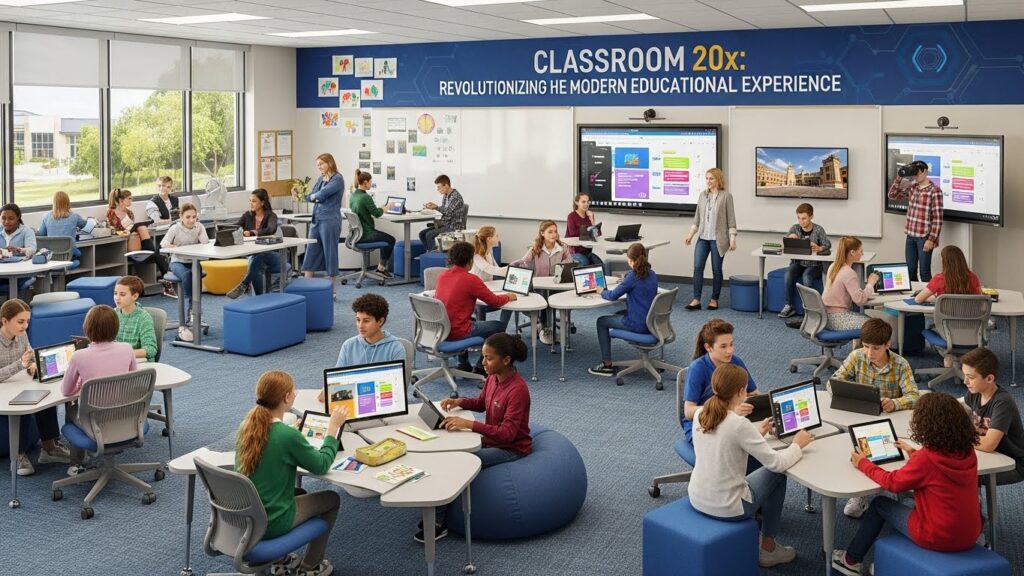
Welcome to the future of education, where classrooms are no longer confined to four walls and dusty chalkboards. Enter Classroom 20x a dynamic evolution in learning that is transforming how students engage with knowledge. Imagine a space buzzing with creativity, collaboration, and technology seamlessly woven into every lesson. This isn’t just an upgrade; it’s a revolution designed for today’s digital natives.
As schools embrace innovative teaching methods and advanced tools, we find ourselves at the forefront of an educational renaissance. From interactive lessons to personalized learning experiences, Classroom 20x is reshaping not only what happens in the classroom but also how we prepare young minds for tomorrow’s challenges. Ready to explore this exciting new frontier? Let’s dive deeper into what makes Classroom 20x a game-changer in modern education!
What is Classroom 20x?
Classroom 20x is a transformative approach to education that integrates advanced technology into everyday learning environments. It aims to create dynamic classrooms where students are actively engaged and empowered.
This innovative model combines digital tools, collaborative projects, and personalized instruction. The focus shifts from traditional teaching methods to interactive experiences tailored for diverse learners.
Students benefit from real-time feedback, allowing them to track their progress and adjust accordingly. Teachers leverage analytics to identify areas where students may need additional support or enrichment.
By fostering creativity and critical thinking skills, Classroom 20x prepares students for the complexities of modern life. It encourages collaboration among peers through group activities facilitated by various technologies.
Classroom 20x redefines educational possibilities, making learning more relevant in today’s fast-paced world. This evolution not only enhances knowledge retention but also nurtures essential soft skills crucial for future success.
History and Evolution of Classroom Technology
The journey of classroom technology traces back to the early 20th century. The introduction of film projectors marked a significant shift, presenting visual learning opportunities that textbooks alone couldn’t offer.
As time progressed, overhead projectors became staples in many classrooms during the 1960s and 70s. Teachers utilized transparency sheets to enhance lessons, engaging students in new ways.
The arrival of computers in the educational realm signaled a major transformation. Initially bulky and expensive, they soon evolved into essential tools for both teaching and learning.
With the turn of the millennium came interactive whiteboards and smart technologies. These innovations fostered collaboration among students while allowing educators to tailor their methodologies effectively.
Today’s classrooms are witnessing an unprecedented integration of artificial intelligence and virtual reality. This evolution is not merely about gadgets; it represents a fundamental shift toward personalized education experiences for every learner.
The Benefits of Classroom 20x
Classroom 20x brings a myriad of benefits that can transform the educational landscape. One significant advantage is enhanced engagement. Interactive tools and multimedia resources captivate students’ attention, making learning a dynamic experience.
Collaboration is another hallmark of Classroom 20x. With advanced platforms, students can work together seamlessly, regardless of their physical location. This fosters teamwork skills vital for the modern workforce.
Personalized learning pathways are made possible through technology integration. Educators can tailor lessons to meet individual needs, ensuring that no student falls behind or feels unchallenged.
Access to vast online resources broadens educational horizons as well. Students tap into global knowledge pools with just a few clicks, enriching their understanding of various subjects.
Data-driven insights empower teachers to monitor progress effectively. They can identify areas where students excel or struggle, allowing for timely adjustments in teaching strategies that enhance overall academic performance.
Examples of Successful Implementation in Schools
Many schools have embraced Classroom 20x, showcasing innovative implementations that enhance learning experiences. For instance, one middle school in California transformed its traditional classrooms into tech hubs with interactive whiteboards and virtual reality stations. Students engage in immersive history lessons, exploring ancient civilizations through VR tours.
Another example comes from a high school in Texas that incorporated gamified learning platforms. By integrating elements of game design into subjects like math and science, students collaborate on challenges while honing critical thinking skills. This approach not only boosts engagement but also fosters teamwork.
In New York City, a primary school adopted personalized learning software to cater to diverse student needs. Teachers can track progress in real time and tailor lessons accordingly. This adaptability ensures every child receives the support they require to thrive academically.
These examples illustrate how Classroom 20x is reshaping education by leveraging technology for enhanced interaction and individualized learning paths.
Overcoming Challenges and Barriers
Implementing Classroom 20x can present its share of challenges. Teachers and administrators might face resistance to change from both educators and students accustomed to traditional methods.
Training is crucial for successful adoption. Educators need ongoing professional development to harness the full potential of new technologies. Without proper support, even the best tools may go underutilized.
Infrastructure also plays a significant role. Schools must ensure they have reliable internet access and modern devices that facilitate innovative learning experiences.
Budget constraints often hinder progress as well. Securing funding for advanced technology can be challenging, but creative solutions like partnerships with tech companies or grants can help bridge these gaps.
Encouraging collaboration among teachers helps foster an environment where ideas thrive despite obstacles. Sharing experiences allows educators to tackle issues collectively, turning barriers into opportunities for growth in the classroom setting.
Preparing for the Future: Emerging Trends in Classroom Technology
The future of classroom technology is unfolding rapidly. Educators are witnessing remarkable shifts that promise to enhance learning experiences.
Artificial intelligence is at the forefront, personalizing education like never before. AI-driven tools can analyze student performance and tailor lessons accordingly. This adaptive approach encourages every learner to thrive.
Virtual and augmented reality also play a significant role in modern classrooms. These technologies create immersive environments where students can explore complex subjects firsthand, such as history or science experiments, making learning more engaging.
Moreover, gamification continues to gain traction. By integrating game-like elements into lesson plans, teachers motivate students while fostering collaboration and problem-solving skills.
Collaborative platforms are evolving too. Tools enabling real-time communication among peers make remote learning seamless and interactive, bridging geographical gaps in education effectively.
Such trends indicate an exciting era ahead for educators and learners alike.
The Impact of Classroom 20x on Education
Classroom 20x has fundamentally transformed the educational landscape. It fosters a collaborative environment where students actively participate in their learning journey.
With advanced technologies at their fingertips, learners can explore subjects through interactive platforms. This hands-on approach caters to diverse learning styles and enhances engagement.
Teachers also benefit from Classroom 20x. They have access to real-time data analytics that help personalize instruction. Tailoring lessons to individual needs empowers educators and maximizes student potential.
Moreover, Classroom 20x encourages global connectivity. Students can collaborate with peers across the world, broadening their perspectives and cultural understanding.
The integration of innovative tools equips students with essential skills for future careers. Critical thinking, creativity, and collaboration become second nature as they navigate this dynamic educational ecosystem.
In this rapidly evolving setting, adaptability is key for both teachers and students alike. The impact of Classroom 20x continues to reshape education for generations to come.
Conclusion
The journey of Classroom 20x is just beginning. As schools embrace this innovative approach, educators and students alike are experiencing the transformative power of technology in education. The integration of digital tools creates a dynamic learning environment where collaboration, creativity, and critical thinking thrive.
With ongoing advancements in classroom technology, such as artificial intelligence and virtual reality, the opportunities for enhanced educational experiences continue to expand. Schools that have successfully implemented Classroom 20x serve as shining examples of what is possible when traditional teaching methods evolve.
While challenges exist such as funding constraints and resistance to change the potential rewards far outweigh these obstacles. Educators must remain adaptable and open-minded to fully harness the benefits that this new era offers.