
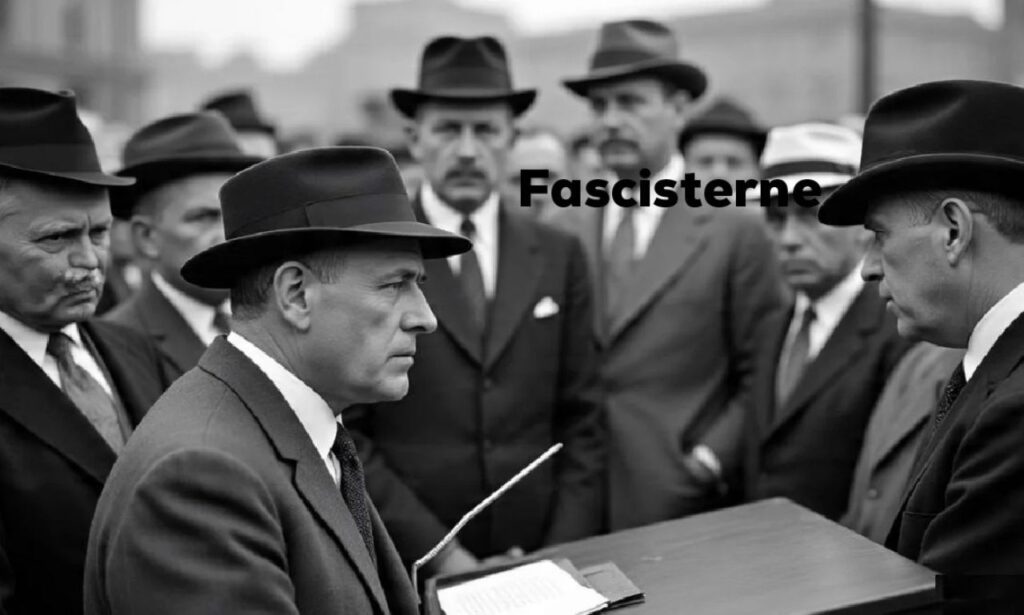
Fascism is a term that evokes strong emotions and images, often associated with oppression, authoritarian regimes, and societal division. But what lies beneath this powerful word? Understanding fascism requires delving into its origins, ideologies, and the ways it has shaped our world. At the center of this discussion is “fascisterne,” a concept that encapsulates both historical movements and modern implications.
As we explore the roots of fascism in early 20th-century Europe, we’ll uncover how these ideas took hold across nations. We’ll also examine their key characteristics what makes them tick and how propaganda played a pivotal role in spreading their ideology far and wide. Today’s society faces echoes of these past events as contemporary examples emerge. Recognizing them is crucial for building resilience against intolerance.
What is Fascisterne?
Fascisterne refers to the emerging wave of fascist ideology that is gaining traction in various parts of the world today. It encompasses a range of far-right beliefs, often marked by authoritarianism and nationalistic fervor.
At its core, Fascisterne seeks to create a society rooted in superiority, where loyalty to the state supersedes individual freedoms. This movement often draws on historical symbols and language reminiscent of early 20th-century fascism.
What sets Fascisterne apart is its adaptability. While it echoes past ideologies, it morphs to fit contemporary contexts—using social media for recruitment and propaganda.
The allure lies in its promises: security, unity, and strength against perceived threats. However, this comes at a cost—the erosion of democratic values and civil liberties. Understanding Fascisterne requires recognizing these dynamics as they unfold in real-time across societies worldwide.
The Rise of Fascism in Europe in the Early 20th Century
The early 20th century was a turbulent time in Europe. Economic instability, social unrest, and the aftermath of World War I created fertile ground for extremist ideologies to flourish.
Fascism emerged as a response to perceived threats from socialism and communism. Leaders like Benito Mussolini capitalized on national discontent, promising stability and order through authoritarian governance.
Italy became the first fascist state in 1922. Soon after, similar movements gained momentum across Europe. Germany saw Hitler rise to prominence with his National Socialist German Workers’ Party (NSDAP).
Fascist ideologies thrived on nationalism, militarism, and anti-communism. They painted themselves as saviors of their nations amidst chaos while often resorting to violence against opposing viewpoints.
This period marked a significant shift in political landscapes across countries like Spain and Hungary too. The allure of strongman politics appealed strongly during these uncertain times.
Key Characteristics and Ideologies of Fascism
Fascism is marked by an authoritarian approach to governance. Centralized power rests in a single leader or party, often suppressing dissent and opposition. This control extends into numerous aspects of life, from politics to culture.
Nationalism plays a crucial role in fascist ideology. A strong sense of pride in one’s nation is emphasized, often at the expense of minority groups. Unity among citizens becomes paramount, frequently leading to exclusionary practices.
The glorification of violence is another characteristic. Fascists may view conflict as a means to achieve national rejuvenation or strength through struggle.
Economically, fascism supports state intervention but maintains the bourgeois class structures intact. Corporations may ally with the government for mutual benefit while sidelining worker rights and welfare.
These ideologies combine to create a powerful narrative that appeals to fear and desire for stability amidst chaos.
The Role of Propaganda and Media in Spreading Fascist Ideology
Propaganda has been a powerful tool for fascist movements throughout history. It shapes perceptions and rallies support by creating compelling narratives. Through carefully crafted messages, supporters are drawn in, often appealing to emotions rather than reason.
Media plays a crucial role in disseminating these ideas. Print newspapers, radio broadcasts, and films have historically amplified the voices of fascists. These platforms can manipulate facts or present information selectively to build an idealized vision of society.
Visual imagery is particularly potent; striking symbols and slogans become rallying cries for followers. This visual language simplifies complex issues into digestible concepts that resonate with the masses.
Today’s digital age allows propaganda to spread even more rapidly through social media channels. Misinformation can circulate widely before fact-checks catch up, enabling extremist ideologies like fascism to gain traction among unsuspecting audiences.
Contemporary Examples of Fascism and Its Impact on Society
Fascisterne’s echoes are evident in various parts of the world today. Political movements that embrace authoritarianism and nationalism often draw parallels to historical fascist regimes. These groups utilize divisive rhetoric, targeting marginalized communities as scapegoats.
Recent events have shown how populist leaders exploit economic discontent. They rally supporters by promoting a return to an idealized past, leveraging fear and anger to consolidate power. This strategy fractures societies along cultural lines.
Social media has played a pivotal role in amplifying these ideologies. Misinformation spreads rapidly, creating echo chambers where extremist views thrive. The normalization of hate speech erodes social cohesion.
Protests against systemic injustice frequently face violent backlash from those aligned with fascistic ideals. Such actions reveal the deep divisions within contemporary society, reminding us that vigilance is essential for preserving democratic values and human rights.
The Importance of Recognizing and Resisting Fascism Today
Recognizing fascism in its modern form is crucial for safeguarding democracy. It often disguises itself under the guise of nationalism and populism, making it harder to identify.
Being aware of its characteristics helps individuals spot subtle signs in political rhetoric and social movements. Vigilance enables communities to challenge harmful ideologies before they gain traction.
Resisting fascist tendencies requires collective action. This can manifest through education, open dialogue, and grassroots organizing. Engaging with diverse perspectives fosters understanding and empathy.
Moreover, supporting policies that promote inclusivity strengthens democratic values against divisive narratives. When people unify around shared principles of equality and justice, they create a powerful counterforce to extremist ideologies.
Empowerment stems from knowledge; knowing history equips us with tools to combat repeating patterns. In our interconnected world, standing against fascism isn’t just an individual responsibility—it’s a communal imperative that shapes our future together.
Lessons from History and Moving Forward
History teaches us the dangers of complacency. The rise of fascisterne in the past serves as a stark reminder that ideologies can take root quickly when society is divided.
Understanding how propaganda influenced public perception during those tumultuous times is crucial. It reveals patterns we must remain vigilant against today.
Every generation faces its own set of challenges, but vigilance can turn into action. Engaging in open dialogue and fostering critical thinking skills are essential tools for resisting extremist views.
Community involvement matters too; grassroots movements have proven effective in countering hate and division. By learning from our history, we empower ourselves to challenge authoritarian tendencies before they gain momentum.
Embracing diversity strengthens societies, making them more resilient against fascism’s allure. It’s not just about looking back but actively shaping a future where inclusivity thrives over exclusionary ideologies.
Conclusion
Fascism is an ideology that has left a profound mark on history. Its roots run deep in the early 20th century, shaped by social unrest and economic turmoil. The rise of fascisterne showcased how charismatic leaders could manipulate fear and uncertainty to rally support.
Understanding what fascisterne represents helps us recognize its resurgence today. Key characteristics like nationalism, militarism, and anti-communism remain relevant as we navigate contemporary politics. The role of propaganda cannot be understated; it molds perceptions and sways public opinion through various media channels.
Today’s world sees echoes of fascist ideologies manifesting in different forms across the globe—often disguised but still harmful. It’s crucial for societies to learn from past mistakes, honing their ability to identify these threats before they escalate into widespread acceptance.
The lessons from history remind us that vigilance is essential. By fostering open dialogue and critical thinking, we can resist the allure of authoritarianism that seduces with promises yet delivers oppression instead.
Recognizing the signs of fascisme within our communities empowers individuals to stand against intolerance and division while promoting unity. Embracing diversity strengthens societal fabric rather than tearing it apart.
Awareness is key as we move forward together towards a more inclusive future where democracy thrives free from oppressive ideologies like those associated with fascisterne. Each step taken today builds resilience against repeating historical errors tomorrow.