
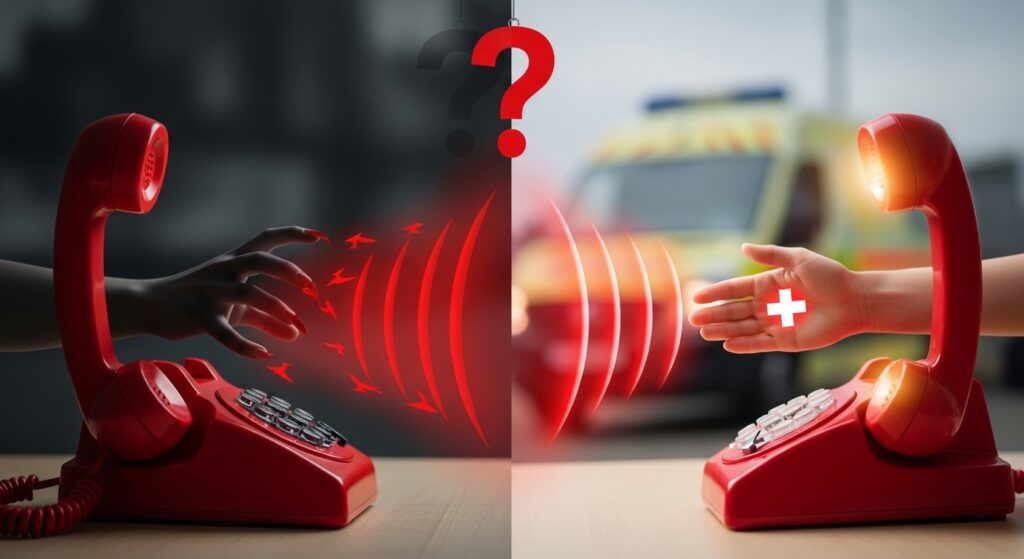
Have you ever noticed the red phone signal blinking in your neighborhood? It’s hard to miss, and it often sparks curiosity. Is it a lifeline or a looming threat? The truth lies somewhere in between. While many view this bright beacon as a safety feature designed to protect communities, others raise their eyebrows at its implications. What is behind the symbolism of that red light? And how does it impact our daily lives? Join us as we unravel the mystery surrounding red phone signals—exploring their history, benefits, drawbacks, and whether they truly serve as a safeguard or an unsettling reminder of potential dangers lurking nearby.
What is Red Phone Signal?
Red phone signals are distinctive alerts used to communicate vital information. They often indicate emergencies or urgent situations where immediate attention is required.
Typically, these signals are linked with specific communication devices or systems designed for quick response in critical scenarios. Whether in schools, hospitals, or public spaces, the red phone signal serves as a lifeline.
When activated, it can connect users directly to emergency services or designated personnel. This direct line of communication ensures that help arrives without delay.
The visual aspect—often a bright red color—catches attention immediately. It signifies urgency and prompts action from those nearby.
Understanding this system’s role enhances awareness regarding safety protocols and responses in various environments.
The History of Red Phone Signals
The concept of red phone signals traces back to the early 20th century. Originally, these signals were implemented as emergency communication tools in various industries.
They gained prominence during World War II when military operations required quick and efficient contact methods. Red was chosen for its visibility and urgency, making it ideal for conveying critical messages.
In civilian life, red phone signals evolved alongside advancements in technology. As cities grew and infrastructure developed, dedicated lines emerged to connect first responders with essential services.
By the late 20th century, the symbolism of the red phone became widely recognized—a signal for both danger and need for help. It transcended beyond mere telecommunication; it became an emblem of safety protocols across multiple sectors.
Today, we see variations of this concept integrated into modern emergency response systems worldwide. The history is rich, showcasing a continuous adaptation to meet society’s evolving challenges.
Advantages of Red Phone Signals as a Safety Feature
Red phone signals serve as a vital safety feature, especially in emergencies. They offer immediate communication with authorities or emergency services. This quick access can save lives when every second counts.
Another advantage is their visibility. The distinctive red color grabs attention, ensuring that individuals know where to turn for help. This can be especially crucial in crowded areas or during chaotic situations.
Additionally, these signals are often strategically placed in high-risk locations like parks or schools. Their presence serves as both a deterrent to potential threats and a reassurance for those who might feel vulnerable.
With advances in technology, some red phone signals even integrate GPS tracking systems. This means responders can locate the person in distress more efficiently, enhancing overall response times and improving outcomes during critical incidents.
Disadvantages and Criticisms of Red Phone Signals
Red phone signals aren’t without their drawbacks. One major criticism is the potential for misuse. When people hear a red signal, panic can ensue, leading to hasty decisions that may compromise safety.
Another concern lies in accessibility. Not everyone has equal access to these emergency systems. Those in remote areas or underfunded communities might find themselves lacking the necessary infrastructure, rendering the system ineffective.
Moreover, there’s skepticism about response reliability. In some instances, emergency services could be delayed or overwhelmed during critical situations. This undermines the very purpose of having a dedicated red phone signal.
Additionally, reliance on technology poses risks too. A power outage or technical glitch could render the system useless at crucial moments when it’s needed most. These factors raise questions about how dependable red phone signals truly are as a safety measure.
Real-Life Examples of Red Phone Signals in Action
Real-life instances of red phone signals highlight their critical role in emergencies. In many urban areas, these devices are strategically placed in parks and public spaces. When activated, they connect directly to local law enforcement or emergency services.
One notable case occurred during a music festival. A medical emergency prompted attendees to use the red phone signal stationed nearby. Within minutes, paramedics arrived on-site thanks to the swift communication facilitated by this feature.
Another example comes from an isolated hiking trail where climbers encountered unexpected weather conditions. They spotted a red phone signal designed for remote locations and used it to alert rescue teams about their situation. This quick action was instrumental in ensuring their safety.
These scenarios demonstrate that red phone signals serve as vital lifelines when every second counts, showcasing both reliability and efficiency in urgent situations.
Alternatives to Red Phone Signals
When discussing alternatives to red phone signals, several options come to mind. One popular choice is the use of mobile apps designed for emergency communication. These applications allow users to send alerts and messages quickly.
Another alternative involves dedicated two-way radios. They can be effective in remote areas where cell service may not reach. Their reliability during emergencies is often praised by outdoor enthusiasts.
Text message alerts also serve as an option, sending information directly to a user’s phone without needing a call connection. This method allows for discreet communication.
Satellite phones are another viable solution. Though typically more expensive, they provide coverage in places where traditional networks fail.
Each alternative offers unique benefits tailored to specific needs and situations. It’s essential to evaluate these options according to personal preferences and safety requirements.
Weighing the Benefits and Drawbacks of Red Phone Signals
When assessing red phone signals, it’s crucial to look at both sides. On one hand, their role as emergency communication tools cannot be overstated. They provide immediate access to help in critical situations.
However, concerns about misuse exist. Some fear that these signals might lead to unnecessary panic or false alarms. This could strain resources and divert attention from real emergencies.
Another aspect is accessibility. While they are designed for everyone, not all communities have equal access to these systems. Disparities can leave vulnerable populations without essential safety measures.
Moreover, the technology behind red phone signals is always advancing. This leads to questions about reliability and maintenance costs over time factors that need careful consideration when implementing such systems widely.
As with many safety features, a balanced approach will ensure effectiveness without compromising public trust or resource allocation.
Conclusion
The red phone signal has sparked debates across various sectors. While it serves as a crucial safety feature in emergencies, concerns regarding its potential misuse cannot be overlooked.
Historically rooted in military and emergency response frameworks, the red phone signal symbolizes urgency and immediate action. It has evolved over time yet still retains its core function of providing rapid communication when needed most.
On one hand, many appreciate the advantages offered by these signals. They can save lives during critical situations by ensuring help is just a call away. However, their implementation raises valid questions about privacy and security.
There are alternatives available that aim to provide similar benefits without some of the drawbacks associated with traditional red phone signals. This ongoing evolution highlights how society continually seeks better solutions for safety while navigating emerging risks.
Whether viewed as an invaluable tool or a potential threat depends on perspective and context. Balancing safety features like the red phone signal against their possible implications remains essential for fostering trust within communities.