
Have you ever glanced at your phone, only to be greeted by the dreaded red signal icon? It’s a sinking feeling that can lead to frustration and confusion. You might wonder what’s causing this sudden drop in connectivity or how it affects your communication. In our increasingly connected world, a reliable phone signal is essential for everything from staying in touch with loved ones to accessing important information on the go. Let’s dive into the realm of the red phone signal understanding its causes, discovering effective solutions, and learning how to maintain strong connections for seamless communication.
What is Red Phone Signal?
Red phone signal indicates a problem with your device’s connectivity. When you see this warning on your smartphone, it usually means you’re experiencing a weak or no network connection.
This status can manifest in various ways. You might notice dropped calls, slow data speeds, or an inability to send messages. The red signal often appears when your phone is searching for available networks but fails to connect successfully.
Different devices may display this alert differently. However, the underlying issue remains consistent: your phone cannot access cellular services effectively.
Understanding what red phone signal means is crucial for troubleshooting connectivity issues and ensuring communication remains seamless. Knowing this can empower users to take action before their situation worsens.
What Causes a Red Phone Signal?
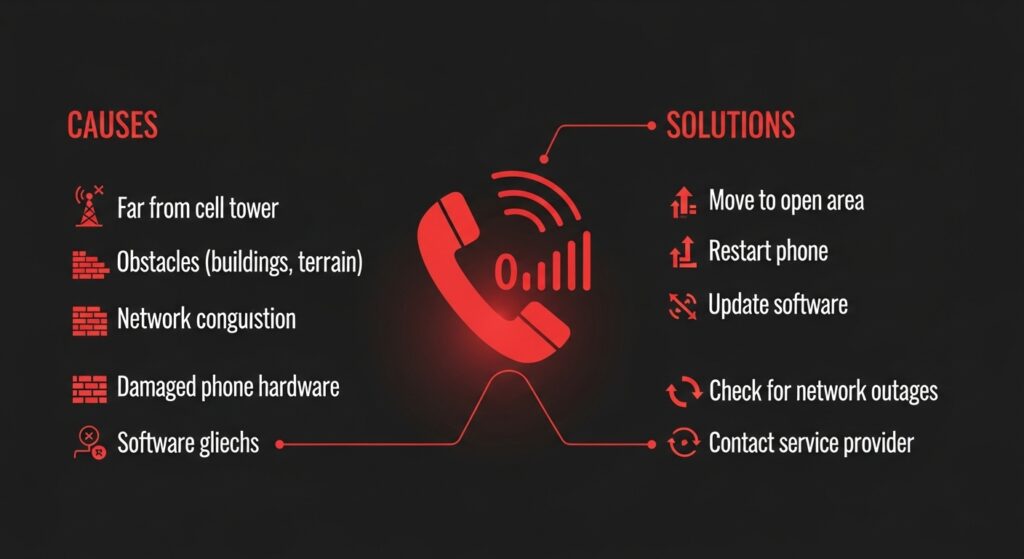
Several factors can contribute to a red phone signal. One of the primary causes is poor network coverage in your area. If you’re located far from cell towers, your device struggles to maintain a stable connection.
Physical obstructions play a significant role as well. Buildings, trees, and even mountains can interfere with signals traveling between your phone and the nearest tower.
Another issue could be network congestion. During peak hours, many users might overload the system, leaving some devices without adequate connectivity.
Device settings also matter. Sometimes misconfigurations or outdated software may lead to trouble connecting properly.
Environmental factors like severe weather can disrupt signals temporarily. Heavy rain or storms often hinder communication reliability and clarity too.
Common Solutions for Fixing Connection Issues
If you’re facing a red phone signal, there are several straightforward solutions to consider.
First, try toggling airplane mode on and off. This simple action can reset your connection to the network.
Next, ensure that your software is up-to-date. Operating system updates often include improvements for connectivity issues.
Another effective method is to restart your device. A quick reboot can clear temporary glitches impacting signal strength.
Additionally, checking for physical obstructions may help. Thick walls or metal objects can interfere with reception.
If you’re still experiencing problems, consider removing and reinserting your SIM card. Sometimes a loose connection can cause significant signal issues.
Reach out to your service provider if the problem persists; they might be able to assist further or inform you of outages in your area.
How to Troubleshoot a Red Phone Signal
Experiencing a red phone signal can be frustrating. Start by checking your device settings. Make sure airplane mode is turned off and that cellular data is enabled.
If the settings are correct, try restarting your phone. A quick reboot often resolves minor glitches that can affect connectivity.
Next, move to a different location. Sometimes walls or heavy structures interfere with signals. Stepping outside or closer to a window might help restore the connection.
You should also check for network outages in your area. Visit your carrier’s website or social media pages for updates on service disruptions.
Remove and reinsert your SIM card. A poor connection between the SIM and device could lead to signal issues as well.
Tips for Preventing Future Connection Problems
To keep your phone signal strong, start by updating your device regularly. Software updates often enhance connectivity features and fix bugs.
Consider investing in a quality phone case that doesn’t interfere with signal transmission. Some cases can block signals, leading to frustrating connection issues.
Make it a habit to check for network outages in your area. Providers usually have online resources or apps where you can stay informed about service disruptions.
Avoid using your phone in areas known for poor reception, like basements or rural locations. If you frequently travel through these zones, consider boosting your signal with a mobile hotspot or repeater.
Monitor the number of devices connected to your network. Too many users can slow down performance and lead to dropped calls or weak signals.
The Importance of Good Network Coverage
Good network coverage is essential in today’s fast-paced world. It affects how we communicate, work, and access information. Strong connectivity ensures seamless conversations and efficient data transfers.
Imagine trying to make an important call only to be met with a red phone signal. Frustrating, right? Poor coverage can disrupt daily tasks and even lead to missed opportunities.
Reliable network coverage enhances productivity for businesses too. Remote workers rely on stable connections for collaboration tools and video conferencing. Without it, workflows suffer.
Moreover, good coverage provides safety in emergency situations. A reliable signal can mean the difference between getting help quickly or facing distress alone.
As technology advances, so does our need for robust networks that support everything from streaming services to smart home devices. Prioritizing strong network infrastructure benefits everyone in the long run by fostering better communication experiences.
Conclusion
Experiencing a red phone signal can be frustrating and inconvenient. Understanding what it is and the potential causes behind it empowers you to tackle any connection issues effectively. By following the common solutions provided, troubleshooting steps, and implementing preventive measures, you can enhance your mobile experience significantly.
Good network coverage is vital for maintaining reliable communication in today’s fast-paced world. Whether you’re making important calls or accessing data services, a stable connection keeps you connected when it matters most. Prioritizing strong network signals ensures that pesky interruptions become a thing of the past. With these insights at hand, you’ll be better equipped to handle any future connectivity challenges with ease.